The 300-Second Window That Decides Who Wins the Case
A potential client just searched “car accident lawyer near me,” clicked your firm’s ad, and filled out your contact form. Right now, a clock is ticking—and you have far less time than you think.
Research from the Harvard Business Review and the landmark Lead Response Management Study found that firms contacting a lead within 5 minutes are up to 100x more likely to connect and 21x more likely to qualify that lead than firms that wait just 30 minutes. After an hour, your odds collapse.
For law firms, this is not just a marketing statistic. It can be the difference between signing a valuable case and watching it go to the competitor who answered first.
This is what speed to lead for a law firm is all about, and why the 5-minute rule should be one of the most important metrics in your intake process.
What Is Speed to Lead for Law Firms?
Speed to lead is the time between the moment a prospect submits an inquiry and the moment your firm makes meaningful contact.
For a law firm, this could mean the time between:
- A website form submission and the first call
- A chat message and the first response
- A Google Ads lead and the first intake conversation
- A missed call and the callback
- A social media inquiry and the first follow-up
The key word is “meaningful.” A generic auto-reply that says “Thank you, we will contact you soon” does not count as real contact. Meaningful contact happens when the prospect receives an actual response that moves the conversation forward.
That could be a phone call, text message, live chat, AI intake conversation, or consultation booking flow. The goal is simple: engage the lead while they are still actively thinking about their legal issue.
Why Speed to Lead Matters More in Legal Marketing
Fast response times matter in many industries, but they are especially important for law firms. Legal leads are often urgent, emotional, and expensive.
A person looking for a lawyer is usually not browsing casually. They may be dealing with a car accident, a DUI, a workplace injury, a divorce, an immigration issue, or another stressful situation. They want answers quickly, and they often contact more than one firm.
That creates a very small window of opportunity.
If your firm responds first, you have the first chance to build trust, understand the case, and schedule a consultation. If you wait too long, the prospect may already be talking to another attorney.
There are three main reasons why speed to lead is so important for law firms.
First, legal leads are expensive. Personal injury, mass tort, criminal defense, and employment law keywords can be among the most expensive in paid search. In some markets, one click can cost hundreds of dollars. When your firm pays that much to generate a lead, slow follow-up wastes the budget you already spent.
Second, distressed clients shop around. Someone facing a legal problem usually wants relief now. They may submit forms to multiple firms, call several numbers, or click more than one ad. The first professional and empathetic response often has the strongest advantage.
Third, trust starts in the first conversation. A fast, helpful response tells the prospect that your firm is organized and ready to help. A delayed response sends the opposite message, even if your attorneys are highly qualified.
Improving speed to lead at your law firm is one of the highest-leverage changes you can make because it helps convert the leads you already have.
What Happens Inside the First 5 Minutes
The first five minutes after a lead submits a form are not only about speed. They are about emotional timing.
Most legal prospects reach out when they are under pressure, confused, or trying to solve an urgent problem. They may be dealing with medical bills, police charges, insurance calls, custody issues, or financial stress.
At that moment, they are not calmly comparing law firms. They are looking for reassurance.
If your firm responds while that need is still fresh, the prospect is more likely to answer, share case details, and book a consultation. If your team waits even 30 minutes, the lead may already be speaking with another attorney, lose motivation, or forget which firm they contacted.
That is why speed to lead for a law firm is not only an operational metric. It is part of the client experience.
A fast response tells the prospect: “We saw your request. We understand it matters. We are ready to help.”
The Psychology Behind Fast Legal Intake
People rarely contact a law firm without a reason. Most legal inquiries come from a moment of urgency.
A potential client may be scared after an accident, overwhelmed by a legal notice, or worried about making the wrong decision. In that moment, responsiveness creates trust before your firm has said anything about credentials, awards, or case results.
Fast intake works because it removes uncertainty.
When a prospect submits a form and immediately receives a real response, they feel seen. When they wait hours, doubt begins to build. They may wonder whether the firm is too busy, whether their case matters, or whether another attorney would handle it better.
For law firms, this means the first response is not just administrative. It is the first proof of reliability.
The faster and more professionally your firm engages, the easier it becomes to move the prospect from interest to consultation.
Why Most Law Firms Fail the 5-Minute Rule
If the 5-minute rule is so powerful, why do so many law firms still take hours—or even days—to respond?
The answer is usually not lack of effort. Most firms care about their clients and want to respond quickly. The problem is that their intake process was built around humans, office hours, and manual follow-up.
That creates gaps.
Leads Arrive After Hours
Many legal inquiries come in during evenings, weekends, and holidays—exactly when the front desk is closed.
A form submitted at 9 PM on Friday may sit untouched until Monday morning. From the firm’s point of view, it may look like a fresh lead on Monday. From the client’s point of view, they contacted you two days ago and never heard back.
By then, they may have already booked a consultation with someone else.
Intake Depends on One Overloaded Person
Many firms rely on one intake coordinator, receptionist, or office manager to handle incoming leads.
That person may be excellent, but they can only do so much. If they are on another call, at lunch, in a meeting, or out sick, leads wait. If several inquiries come in at once, the queue backs up.
Speed to lead should not depend on whether one person is available at the perfect moment.
Email Auto-Replies Are Not Real Contact
A message like “Thanks, we will be in touch” may confirm that the form was received, but it does not qualify the lead, answer questions, or build trust.
For the prospect, the real conversation has not started yet.
This is why law firms need more than basic automation. They need an intake process that can actually engage the lead immediately.
Leads Come From Too Many Places
Website forms, Google Ads, Local Services Ads, Facebook leads, chat widgets, referral pages, and phone calls often land in different systems.
Without a centralized process, leads can be missed or delayed. One lead may go to an inbox. Another may go to a CRM. Another may create a notification that someone forgets to check.
The result is a hidden intake problem: the firm is generating leads, but not responding fast enough to win them.
Why Business Hours Are No Longer Enough
Many law firms still build their intake process around office hours. But legal problems do not follow a 9-to-5 schedule.
A car accident can happen late at night. A DUI arrest may happen on a weekend. A family law issue may become urgent after work. A person researching attorneys may finally have time to submit a form at 10 PM, after their children are asleep or after they finish their shift.
If your firm only responds during business hours, you are leaving a large part of your lead flow exposed.
This is where many firms lose cases without realizing it. The ad worked. The landing page worked. The lead was interested. But the intake process moved too slowly.
In a competitive legal market, availability is part of the client experience. A firm that responds instantly feels accessible. A firm that waits until the next business day feels distant.
Common Intake Mistakes That Hurt Speed to Lead
Even firms with strong marketing often lose opportunities because of small intake problems. The most common mistakes include relying only on manual callbacks, treating every lead the same, using generic auto-replies, and not tracking missed calls or abandoned chats.
Another major mistake is giving up after one failed attempt.
A lead may not answer the first call because they are at work, driving, or dealing with the situation that made them contact your firm in the first place. That does not mean they are not interested.
Without automated follow-up, many valuable cases are lost after one missed call.
The firms that win more leads usually have a clear follow-up process. They respond instantly, try multiple channels, and continue nurturing the lead until they book, decline, or become unqualified.
The Real Cost of Calling Leads Too Late
Slow speed to lead is not just an operational issue. It directly affects revenue.
Let’s say your firm generates 100 leads per month at $200 per lead. That is a $20,000 monthly investment.
| Scenario | Contact Rate | Qualified Leads | Signed Cases |
|---|---|---|---|
| Respond in 5 minutes | High | More qualified conversations | More signed cases |
| Respond in 30+ minutes | Lower | Fewer qualified conversations | Fewer signed cases |
| Respond the next day | Very low | Many leads already gone | Missed revenue |
Even a small improvement in response time can create a major difference in signed cases.
If faster intake helps your firm sign four or five additional cases per month, that can mean hundreds of thousands of dollars in additional annual revenue for a personal injury, employment, or mass tort practice.
The important point is that you do not need to increase ad spend to see this lift. You need to convert more of the leads you already paid for.
Slow speed to lead is one of the biggest hidden leaks in a law firm’s marketing funnel.
Speed to Lead by Channel: Where Law Firms Lose the Most Time
Different lead sources create different intake challenges.
Website form leads often look organized, but they can be easy to miss if submissions only go to email. If no one is watching that inbox in real time, response time can quickly stretch from minutes to hours.
Paid search leads are especially sensitive because they are usually high-intent. Someone searching for a lawyer is often ready to speak with a firm now. If you paid for that click, slow follow-up directly increases your cost per signed case.
Chat leads can be valuable, but only if the conversation continues instantly. A chat widget that says “leave your message and we will reply later” creates the same problem as a slow form response.
Phone leads are often the hottest, but missed calls are one of the biggest hidden leaks in legal marketing. If the caller reaches voicemail, many will simply call the next firm.
Social media leads may need more nurturing, but they still benefit from fast engagement. A quick response can turn casual interest into a booked consultation before attention drops.
The best law firms do not rely on one channel working perfectly. They build one intake system that responds quickly everywhere.
How to Win the 5-Minute Rule: A Practical Framework
You do not need to clone your best intake specialist. You need a system that responds instantly, every time.
Here is a practical framework law firms can use to improve speed to lead.
Step 1: Measure Your Current Speed to Lead
You cannot improve what you do not track.
Start by measuring the time between lead submission and first meaningful contact. Track this across every source: forms, calls, chat, paid ads, social media, and referrals.
Many firms are surprised to learn that their average response time is measured in hours, not minutes.
You should track:
- First response time
- Contact rate
- Qualification rate
- Consultation booking rate
- Show rate
- Signed case rate
- Cost per signed case
Once you know where delays happen, you can fix them.
Step 2: Capture Leads From Every Channel in One Place
Web forms, chat, phone calls, Google Ads, Facebook leads, Local Services Ads, and referrals should all flow into one intake pipeline.
This makes it easier to respond quickly, track every inquiry, and avoid lost leads.
A centralized system also helps your team understand where leads are coming from and which channels produce the best cases.
Without this visibility, it is easy to blame the wrong thing. A campaign may look weak, but the real issue may be slow follow-up.
Step 3: Respond in Seconds, Not Minutes
This is where modern firms pull ahead.
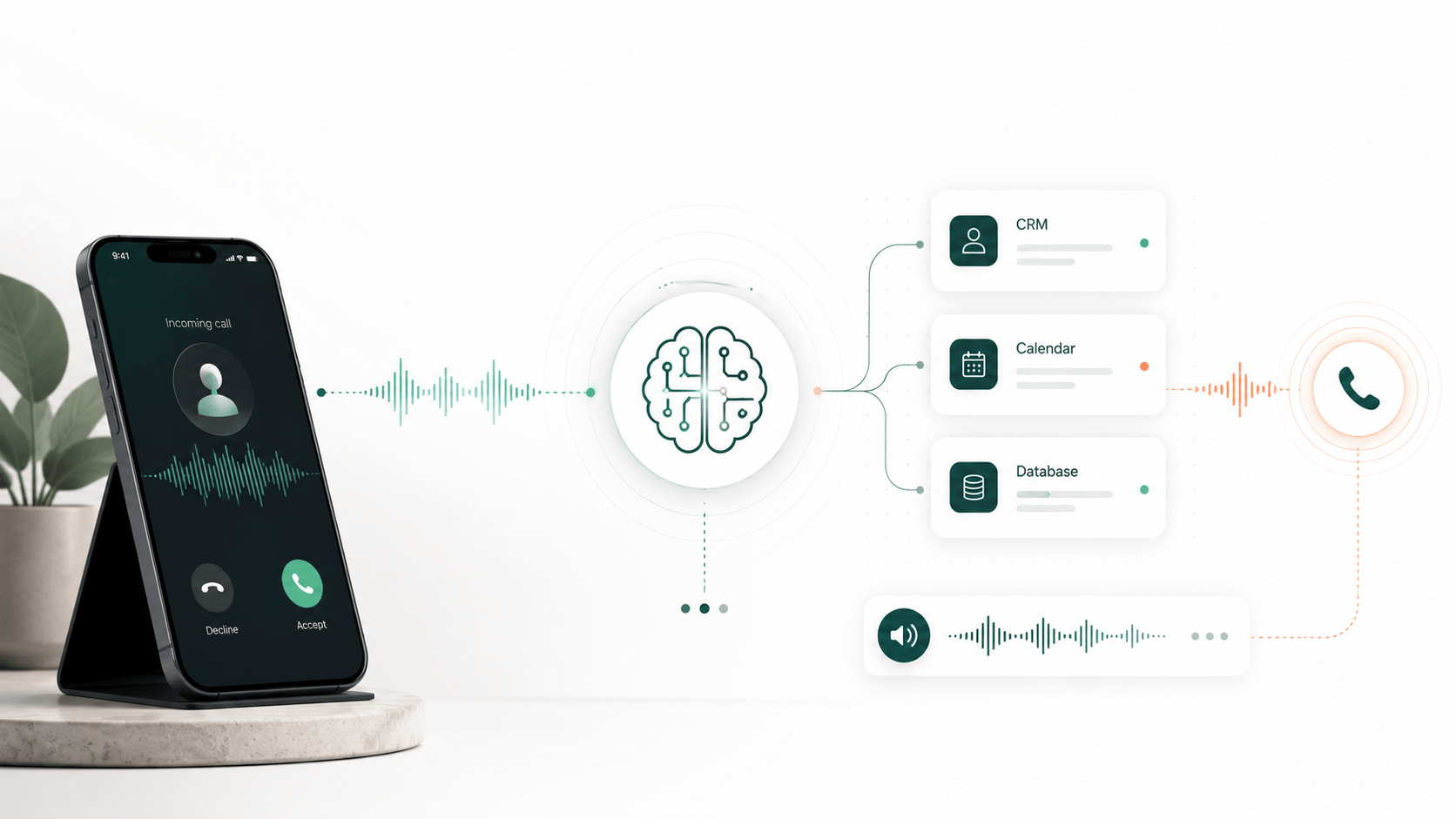
AI intake for law firms can answer every lead the instant it arrives, 24/7, with a natural conversation that collects key details and moves the prospect toward the next step.
An AI intake agent can:
- Greet the prospect immediately
- Ask case-specific questions
- Collect contact information
- Qualify the matter against your firm’s criteria
- Schedule a consultation
- Route urgent leads to a live person
- Follow up if the prospect goes quiet
The goal is not just to hit the 5-minute rule. The goal is to turn the 5-minute rule into a 5-second response.
Step 4: Hand Off Qualified Leads to Humans Seamlessly
Speed gets the conversation started. Your team still closes the case.
The best intake systems use AI to qualify and book, then deliver a warm, fully briefed lead to your attorneys or intake team.
That handoff should include the key case details, urgency level, source, contact information, and conversation history.
This prevents prospects from having to repeat themselves. It also helps your team start the consultation with context, which creates a smoother client experience.
Step 5: Nurture Leads That Are Not Ready Yet
Not every lead signs immediately.
Some prospects need time to think. Some are waiting for more information. Some may not be ready to book a consultation during the first conversation.
That does not mean they are lost.
Automated follow-up keeps your firm top-of-mind so you can capture the case when they are ready. This can include text reminders, email follow-ups, consultation reminders, or check-ins based on the prospect’s case type.
A strong speed-to-lead system does not stop after the first response. It continues guiding the lead toward action.
What a Strong Speed-to-Lead System Looks Like
A high-performing intake system should do more than notify your team that a lead arrived. It should create an immediate path from inquiry to conversation.
An effective setup usually includes instant response across every channel. Whether the lead comes from a website form, chat, Google Ads, Facebook, Local Services Ads, or a referral page, the first response should happen immediately.
It should also include clear qualification questions. The system should collect the details your firm needs to determine whether the matter is a fit, such as case type, location, incident date, injury severity, and urgency.
Smart routing is also important. High-value or urgent leads should be sent to the right attorney or intake specialist immediately, while lower-priority leads can be nurtured automatically.
Calendar booking should be part of the process too. If the lead is qualified, they should be able to schedule a consultation without waiting for back-and-forth communication.
Finally, the system should include persistent follow-up. If the prospect does not respond right away, the intake process should continue following up without overwhelming them.
This kind of process helps law firms turn speed into consistency. Instead of hoping someone replies quickly, the system makes fast response the default.
How AI Intake Transforms Speed to Lead for Law Firms
Human-only intake will always have gaps. AI intake closes them.
By deploying an AI-powered intake system, law firms can create a faster and more consistent first response across every lead source.
AI intake can help firms achieve:
- Sub-minute response times, 24/7/365
- Higher contact and qualification rates
- More consultations booked without adding headcount
- Lower cost per signed case
- More consistent intake conversations
- Better follow-up with leads that do not respond immediately
The biggest advantage is reliability.
An AI intake agent never sleeps, never takes lunch, never misses a notification, and can handle multiple conversations at once. That means your firm can respond instantly whether the lead arrives at 10 AM on Tuesday or 11 PM on Saturday.
For firms that invest heavily in legal marketing, this can create a major competitive advantage.
Why AI Intake Is Different From a Basic Chatbot
Many law firms have tried simple chatbots and been disappointed. Traditional chatbots often feel robotic, follow rigid scripts, and fail when the prospect asks something unexpected.
AI intake is different because it is designed to hold a more natural conversation. It can ask follow-up questions, understand context, collect relevant case details, and guide the prospect toward the next step.
For law firms, the goal is not to replace human judgment. The goal is to make sure every lead receives an immediate, professional first response.
AI can handle the repetitive parts of intake, while your team focuses on the conversations that require empathy, strategy, and closing.
A strong AI intake system can respond instantly to every new inquiry, ask case-specific qualification questions, collect contact details, book consultations, send reminders, route high-priority leads, and follow up when prospects go quiet.
This gives law firms the best of both worlds: instant response and human expertise.
How to Build a 24/7 Intake Process Without Burning Out Your Team
Many firms assume faster intake means hiring more staff. That can help, but it is not always realistic or cost-effective.
Covering nights, weekends, holidays, lunch breaks, sick days, and call spikes with humans alone is difficult.
A better approach is to combine automation with human support.
AI can handle the first response, gather the basic facts, and book the consultation. Your intake team can then review qualified leads, prioritize the strongest opportunities, and focus on higher-value conversations.
This reduces pressure on your staff.
Instead of constantly chasing missed leads, they receive warmer prospects with context already attached. That makes the intake process faster for clients and more efficient for the firm.
The Metrics Every Law Firm Should Track
To improve speed to lead, law firms need to measure more than total leads and signed cases.
The most important intake metrics include average first response time, median response time, contact rate, qualification rate, consultation booking rate, show rate, signed case rate, and cost per signed case.
Average first response time shows how quickly your firm responds overall. Median response time gives a clearer view of the typical lead experience because averages can be affected by extreme delays.
Contact rate shows how many leads actually speak with your team or engage with your intake system. Qualification rate shows how many leads meet your firm’s criteria.
Consultation booking rate shows how many qualified leads become scheduled consultations. Show rate shows how many scheduled consultations actually happen.
Signed case rate shows how many consultations turn into clients. Cost per signed case shows how much marketing spend it takes to generate one new client.
When firms only look at cost per lead, they miss the bigger picture.
A campaign with expensive leads may still be profitable if intake is fast and conversion rates are strong. A campaign with cheap leads may waste money if slow follow-up kills the opportunity.
A Simple Speed-to-Lead Checklist for Law Firms
If your firm wants to improve response times, start with this checklist:
- Audit your current response time across all lead channels.
- Make sure every form, call, chat, and ad lead goes into one central intake system.
- Set an internal goal to respond to every new lead in under five minutes.
- Create clear rules for urgent and high-value case types.
- Use AI or automation to respond instantly outside business hours.
- Track missed calls, unanswered chats, and unbooked consultations.
- Follow up with leads more than once.
- Review intake performance every week, not once per quarter.
- Measure cost per signed case, not only cost per lead.
This checklist helps turn speed to lead from a vague goal into a repeatable system.
The Competitive Advantage of Being First
In legal marketing, small timing differences create major business outcomes.
Two firms may have similar websites, similar reviews, similar ads, and similar experience. But if one firm responds in 30 seconds and the other responds the next morning, the faster firm has a major advantage.
Being first does not guarantee the client will sign. But it gives your firm the first chance to build trust, answer questions, understand the case, and schedule the consultation.
In a competitive market, that first conversation matters.
The firms that win are not always the ones with the largest budgets. They are the ones that remove friction from the client journey. They make it easy for a stressed prospect to get help immediately.
That is the real power of speed to lead for law firms. It helps you convert more of the leads you already paid for, reduce waste, and create a better first impression from the very first interaction.
The firms that dominate their market aren’t always the ones with the biggest ad budgets—they’re the ones that answer first. The 5-minute rule turns speed to lead at your law firm into a measurable competitive advantage, and AI intake makes hitting it effortless.
Stop losing cases to slow follow-up.